

Restore lost facial volume and improve contour with facial fat grafting. David T. Morwood, MD, FACS, our board-certified plastic surgeon, uses your living fat cells to address hollowing, soften lines, and enhance facial balance. This approach supports natural, long-lasting rejuvenation through volumetric restoration and improved tissue quality.
Before & After Facial Fat Grafting
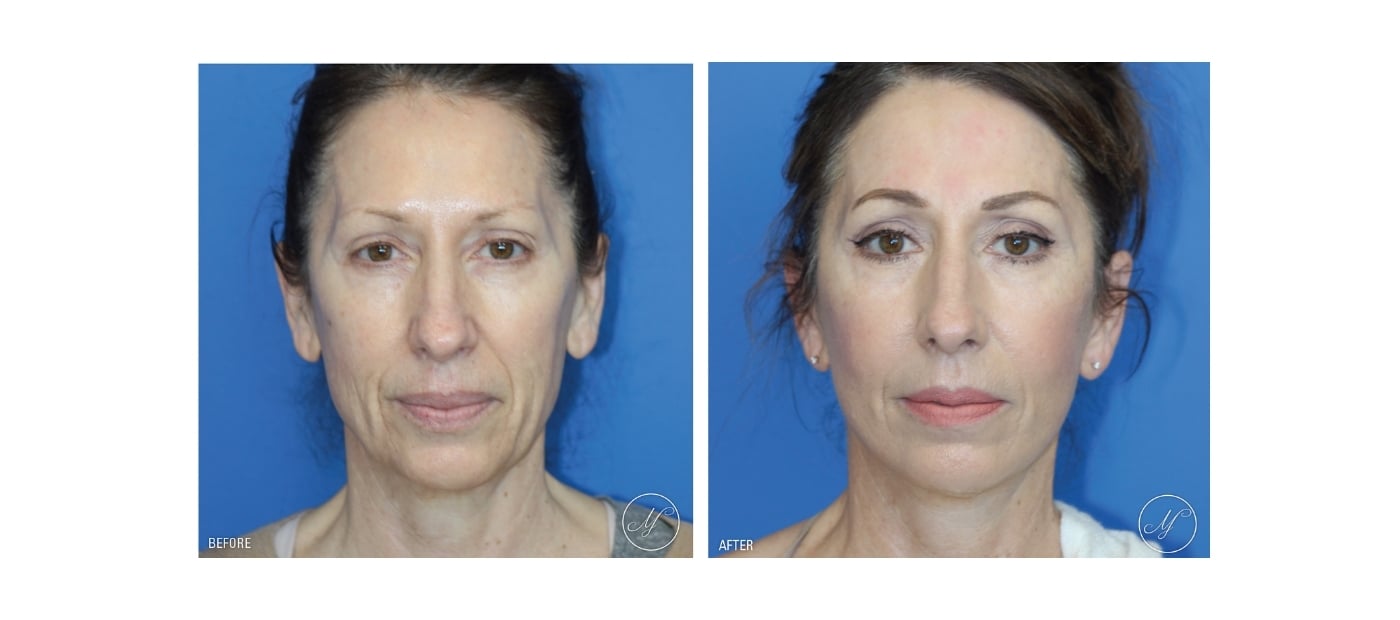
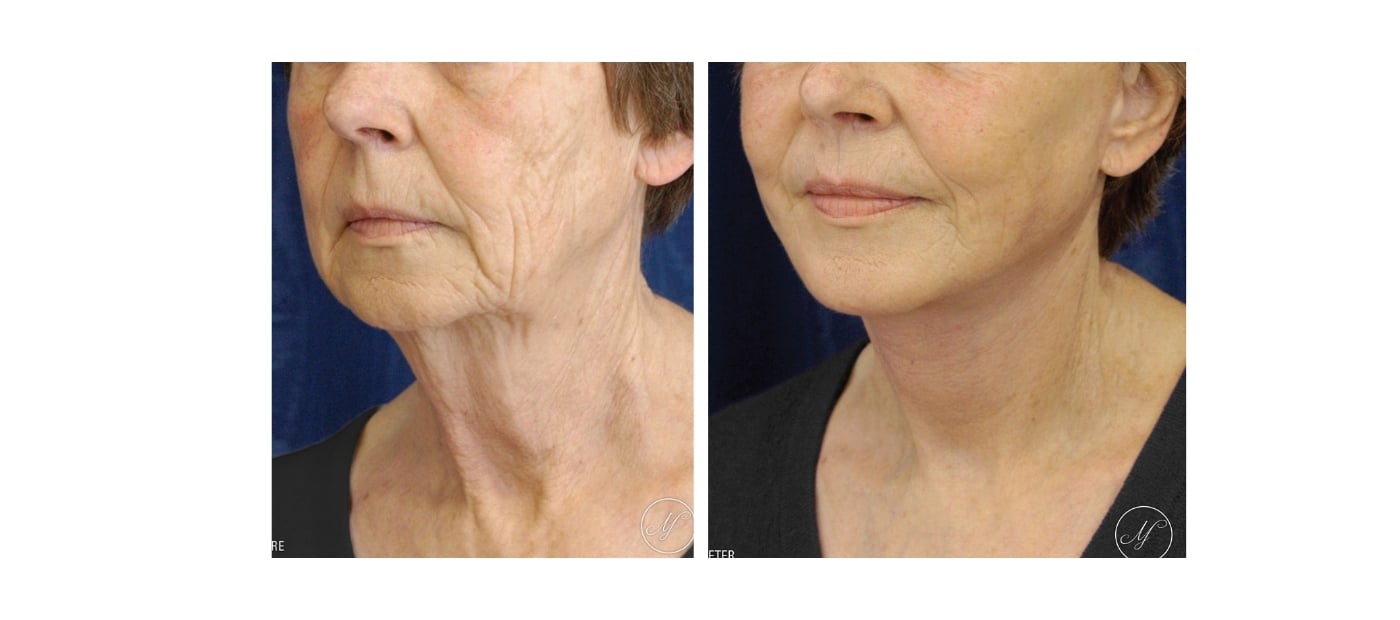
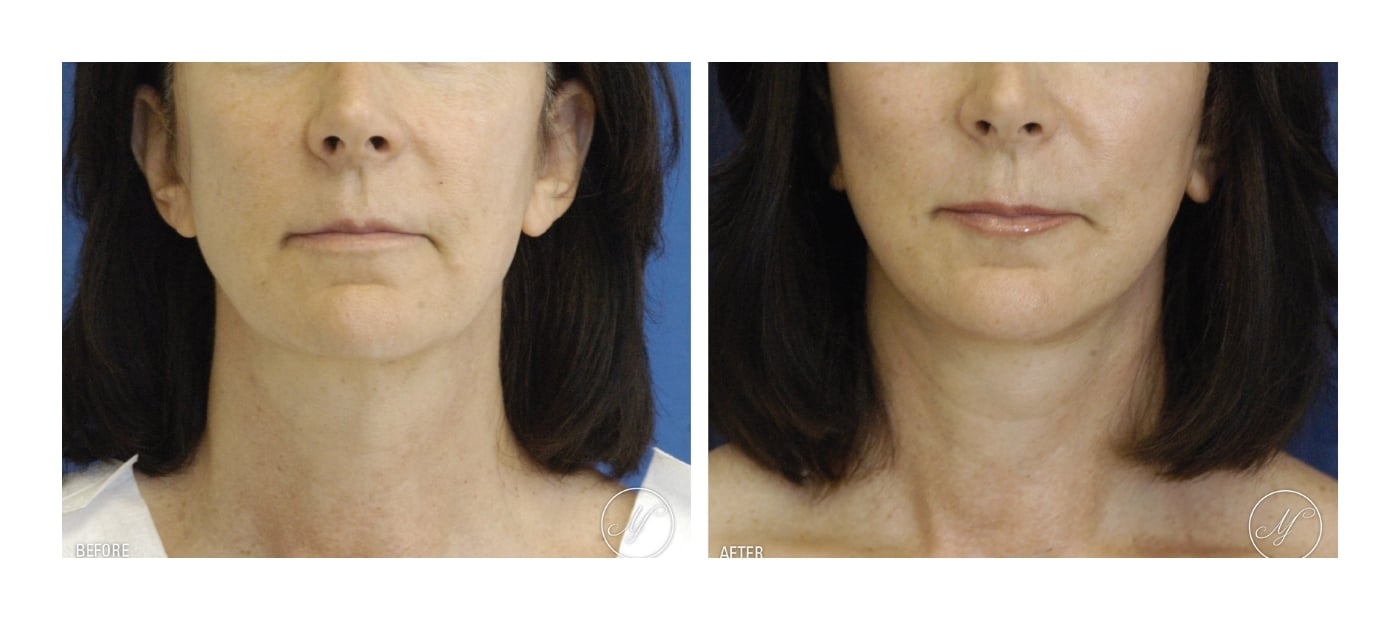
*Actual Patient Disclaimer: there is no guarantee of specific results and the results can vary.
In Dr. Morwood's Words:
Some patients have remarked that they like the idea of fat grafting to the face because they will get some simultaneous liposuction of the abdomen or flanks or saddlebags when the fat is harvested.
David T. Morwood, MD, FACS
The Truth About Plastic Surgery: An Educational Guide for the Consumer
This Procedure Treats:
- Volume loss and hollowing in the cheeks, temples, and under-eye area
- Deepened nasolabial folds and facial creases
- Thin or deflated lips lacking natural fullness
- Irregular contour and asymmetry in facial features
- Fine lines and skin textural changes related to volume depletion
Rebuild Facial Fullness Using
Living Fat Cells
Facial fat grafting is a form of volumetric restoration that transposes your own living fat cells from one area of the body to another. Dr. Morwood performs liposuction from diet-resistant areas of the body, such as the lower abdomen or flanks, and then processes the fat by decanting or centrifugation. The concentrated fat is micrografted by injection into areas of facial volume loss such as the cheeks, temples, or nasolabial folds. Once transferred, these cells can take root, regain blood supply, and grow within their new environment.

Facial Fat Grafting Treats:
- Hollowing beneath the cheekbones (“submalar hollowing”)
- Loss of volume in the cheeks and midface
- Deflation in the temples and lateral face
- Nasolabial folds and deeper facial grooves
- Reduced projection of the chin and posterior mandibular angles
- Generalized facial volume loss associated with aging
- Imbalance caused by loss of fat in the face
Videos
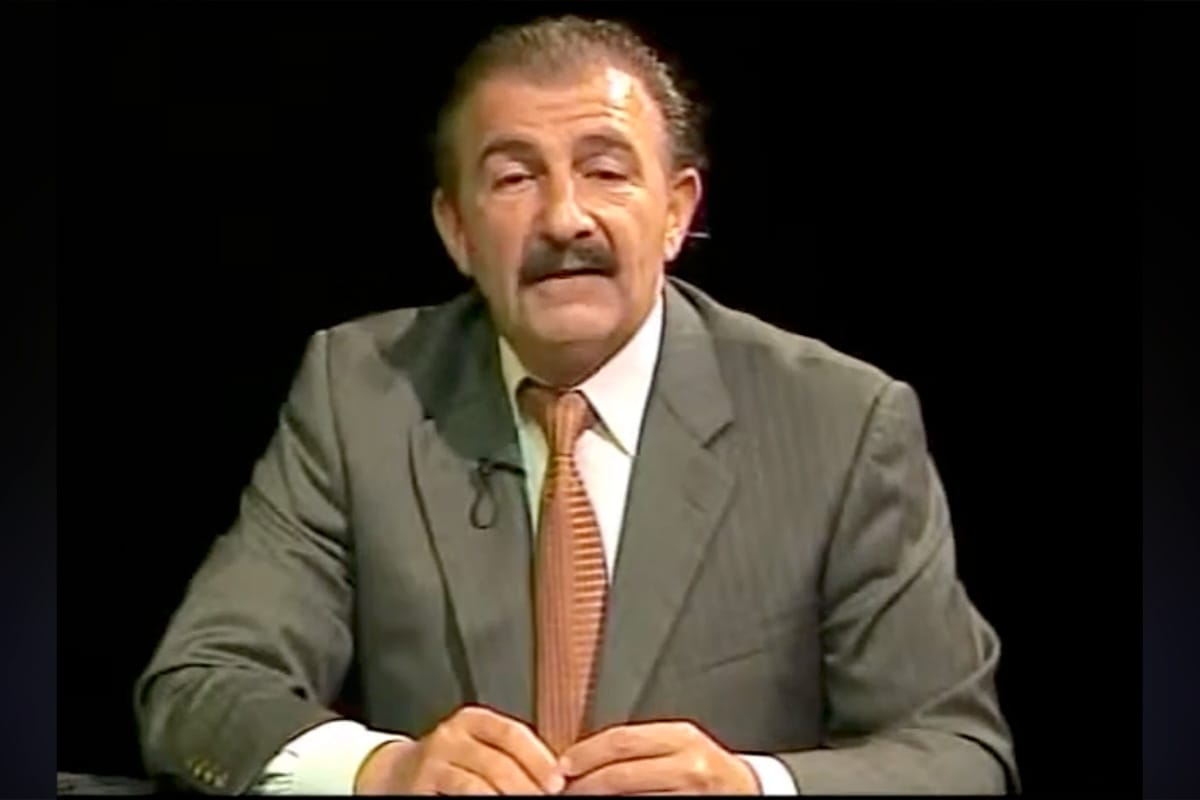
What to Expect From Facial Fat Grafting With Dr. Morwood
During your procedure, Dr. Morwood performs conservative liposuction at a donor site such as the lower abdomen or flanks, where fat is typically diet-resistant. Instead of discarding the fat, it is processed and decanted or centrifuged (“spun down”) to concentrate viable cells. The refined fat is then micrografted by injection through a syringe and needle into areas requiring volume. These living fat cells are carefully placed to optimize take, allowing them to regain blood supply, take root, and gradually grow within their new environment.
Facial Fat Grafting FAQs
How Does Facial Fat Grafting Differ From Fillers?
A filler is a manufactured injectable that comes in a prefilled sterile syringe and is injected in the office with a local anesthetic. Facial fat grafting, by contrast, uses your own living fat cells. These cells are harvested, processed, and then grafted to areas of volume loss. Unlike fillers, which are almost always temporary, fat grafts can take root, regain blood supply, and become a living part of your tissue.
What Happens to the Fat After It is Injected?
Once the fat is grafted, it behaves like a transplant of living tissue. It is similar to planting seeds in soil: some cells will take root, regain a blood supply, and survive, while others may not. The surviving fat cells integrate into the tissue, where they can live and even grow.
How Much of the Fat Survives?
Different surgeons report different outcomes, but a general rule of thumb is that about 67% of the transferred volume persists. Because of this, Dr. Morwood typically performs a degree of overcorrection, often about 33%, to account for the expected loss of some of the fat.
How Long Does It Take to See the Final Results?
Facial fat grafting is not an immediate-result procedure. It can take weeks, and sometimes months or longer, for the transferred fat to settle, soften, and fully integrate. Some studies suggest that it may take up to a year for the fat grafts to become fully vascularized.
Are There Additional Benefits Beyond Volume Restoration?
In addition to restoring volume, fat grafting may improve blood supply (vascularity) and can introduce biologically active elements into the treated area. Some patients notice an improvement in skin texture even though fat is not injected directly into the skin.
Have More Questions?
Learn More About Facial Rejuvenation in The Truth About Plastic Surgery: An Educational Guide for the Consumer
If you want a deeper understanding of facial fat grafting, Dr. Morwood’s book The Truth About Plastic Surgery: An Educational Guide for the Consumer provides a detailed, science-based explanation of rejuvenation. You’ll learn about volumetric restoration, how living fat cells are transplanted, and what to realistically expect from treatment. This book has been written to help you make informed decisions.
Client Testimonials
Request a Private Consultation
Rebuild Youthful Contours With Facial Fat Grafting in Monterey
Dr. David Morwood is a board-certified plastic surgeon with fellowship training in microsurgery and decades of experience in facial rejuvenation and volumetric restoration. During your private consultation, he will review your medical history, evaluate volume loss in each anatomic layer, and develop a custom plan using advanced techniques such as fat grafting. Schedule your private consultation today to explore facial fat grafting in Monterey.
Book Today