
Refine the balance and harmony of your face with rhinoplasty, a procedure that reshapes the nose to address concerns such as a dorsal hump, tip refinement, or overall size. Dr. David T. Morwood, our board-certified plastic surgeon in Monterey, curates a custom-designed plan guided by your specific goals and his keen aesthetic judgment.
Before & After Rhinoplasty
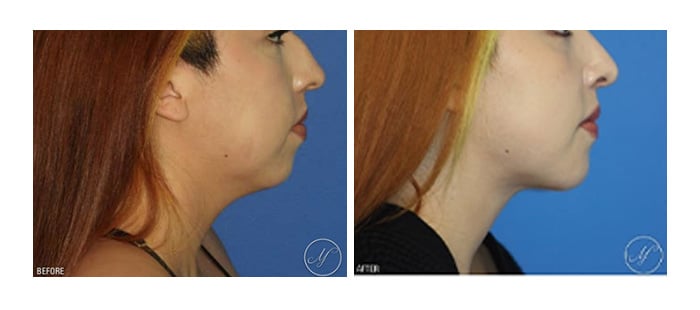
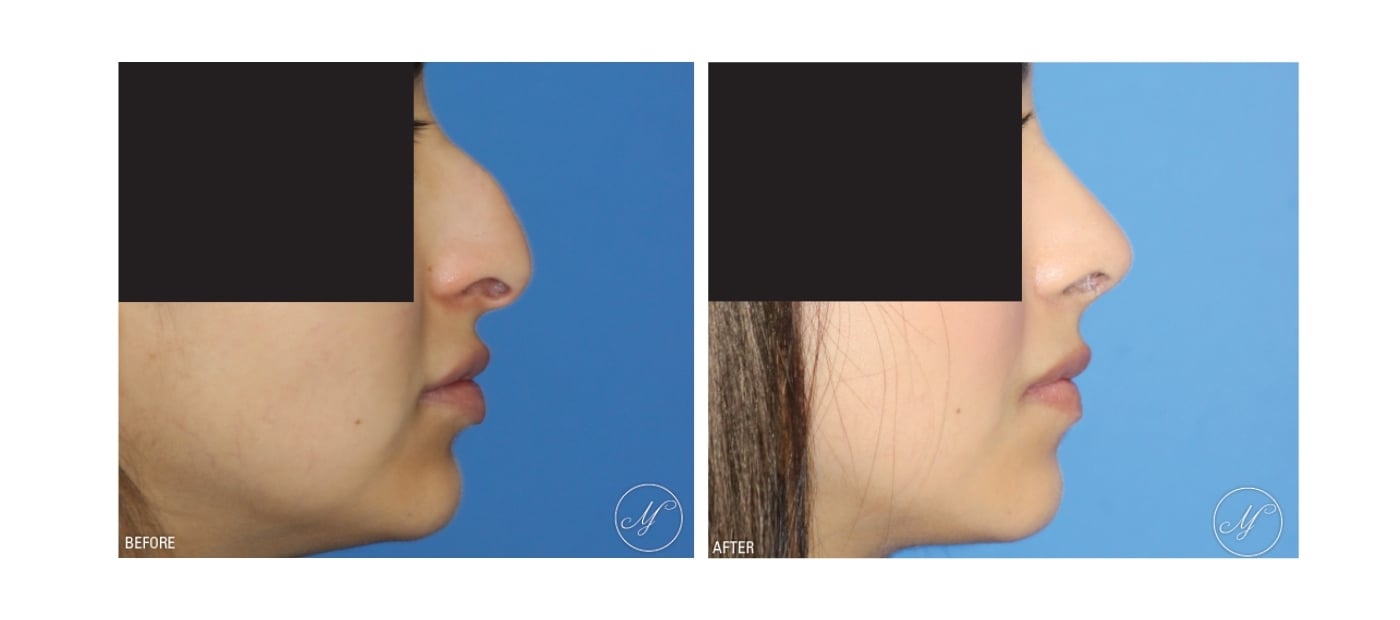
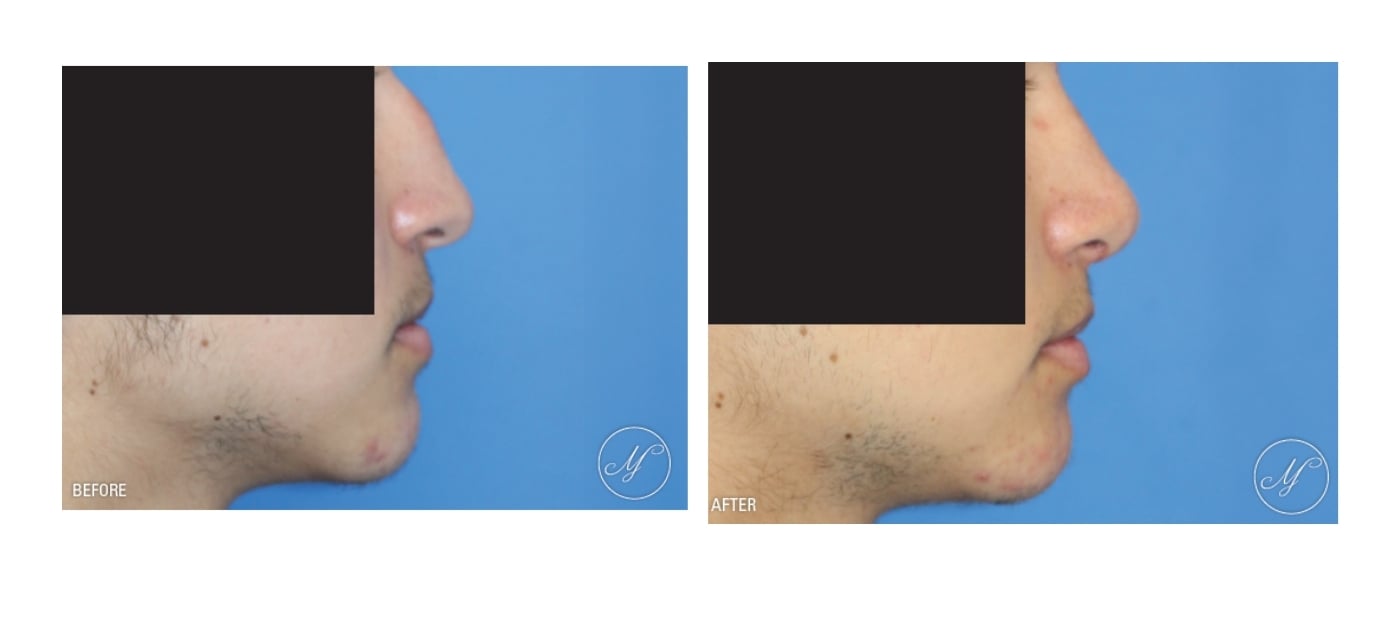
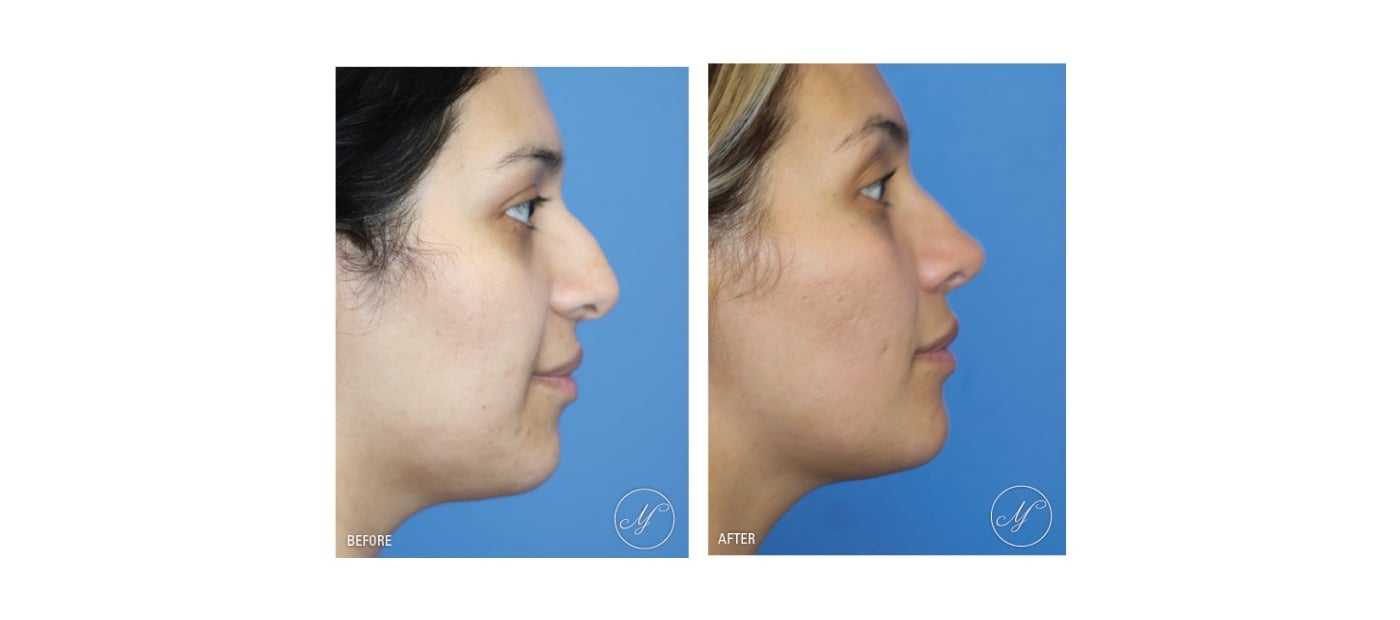
*Actual Patient Disclaimer: there is no guarantee of specific results and the results can vary.
In Dr. Morwood's Words:
Rhinoplasty or nose reshaping has long been considered one of the consummate plastic surgery operations.
David T. Morwood, MD, FACS
The Truth About Plastic Surgery: An Educational Guide for the Consumer
This Procedure Treats:
- A nose that is too large, small, wide, or narrow for the face
- A dorsal hump or bump along the nasal bridge
- A bulbous, drooping, or poorly defined nasal tip
- Crooked or asymmetrical nasal structure
- Functional issues such as a deviated septum impairing breathing
- Flared, pinched, or disproportionate nostrils
Refine the Shape and Structure
of Your Nose
Rhinoplasty, or nose reshaping, is a procedure performed to sculpt the nose in a way that improves the overall balance, ratio, and harmony of your face. Rather than focusing on the nose alone, Dr. Morwood considers the relationship between the nose, chin, and jaw when planning your procedure. Using either an open or closed approach, the cartilage of the tip, the septum, and the bony dorsum are shaped, sculpted, and sometimes reduced, often with the addition of cartilage grafts to refine structure, volume, and contour with a custom rhinoplasty in Monterey.

Rhinoplasty Treats:
- A dorsal hump or bump along the bridge of the nose
- Lack of balance and harmony between the nose, chin, and jaw
- A nose that appears too large or out of proportion with your face
- A bulbous, wide, or poorly defined nasal tip
- A groove or irregularity at the tip of the nose
- Excess projection or length of the nose
- A wide nasal base requiring narrowing with Weir incisions
- Minor contour irregularities that may be improved with injectable fillers
- Structural concerns involving the cartilage, septum, or bony dorsum
Types of Rhinoplasty Offered by Dr. Morwood
Primary Rhinoplasty
Primary rhinoplasty is a first-time nose reshaping procedure performed to sculpt the cartilage of the tip, the septum, and the bony dorsum. Using a closed or an open approach, Dr. Morwood reshapes, refines, and sometimes reduces these structures. A custom-designed plan allows precise correction of concerns such as a hump, tip refinement, or overall proportion.
Revision Rhinoplasty
Revision rhinoplasty is performed to refine or correct the results of a previous nose reshaping procedure. This often requires a more complex, custom-designed approach, as the underlying cartilage and structure have already been altered. Cartilage grafts are frequently used to restore shape, volume, and support while improving balance and harmony within the face.
Functional Rhinoplasty
Functional rhinoplasty is performed to improve the internal structure of the nose, particularly the septum and supporting cartilage, to enhance airflow and breathing. While addressing structural concerns, the procedure may also include shaping and sculpting of the nose. The goal is to improve function while maintaining or enhancing overall facial balance and proportion.
Ethnic Rhinoplasty
Ethnic rhinoplasty focuses on shaping and refining the nose while preserving the unique characteristics that define your facial identity. A custom-designed approach is essential, often using cartilage grafts to build structure, support, and contour. The goal is to enhance balance and harmony without erasing the unique markers of your cultural identity.
Teenage Rhinoplasty
Teenage rhinoplasty is performed to reshape the nose once facial growth is sufficiently developed, typically around ages 15-16 for females and 16-17 for males. The procedure focuses on improving proportion, contour, and harmony at an early stage. It involves careful sculpting of the cartilage, septum, and bony dorsum using either an open or closed approach.
How Do I Know Which Rhinoplasty Approach is Right for Me?
You do not need to decide between an open or closed approach on your own. Dr. Morwood evaluates your anatomy, your goals, and the specific changes required. A closed approach, with incisions inside the nose, is often used when access is more limited. An open approach, with an incision on the columella, allows the skin to be elevated for more direct visualization and precise sculpting. Dr. Morwood makes the decision based on what will best balance your face.
What to Expect From Rhinoplasty With Dr. Morwood
Your consultation with Dr. Morwood begins with a detailed review of your medical history, followed by an in-depth discussion of your goals as you look in a mirror and point out specific concerns, such as a dorsal hump, tip definition, projection, or subtle contour irregularities. He listens carefully and may mimic small adjustments with his hands to understand your desired outcome. Using Vectra 3D imaging, he can simulate changes and demonstrate how modifying the nose, or even advancing the chin, can improve overall balance, ratio, and harmony.
Dr. Morwood performs either a closed approach, with incisions placed entirely inside the nose, or an open approach, in which a small incision is made across the columella to elevate the skin, like opening the hood of a car. This allows precise access to the cartilage of the tip, the septum, and the bony dorsum, which are carefully shaped, sculpted, and sometimes reduced. Cartilage grafts may be harvested and placed to add structure, refine contours, and support long-term stability, often combined with techniques such as Weir incisions to narrow the nasal base.
Rhinoplasty FAQs
Will I Have Visible Scars After Rhinoplasty?
In a closed approach, all incisions are made inside the nose, so there are no visible external scars. In an open approach, a small incision is made on the columella. The resulting scar is very well concealed and visible only from the “worm’s eye view.” When narrowing the base, small Weir incisions may be used, and these scars are typically inconspicuous once healed.
What is Liquid Rhinoplasty, and How Does It Differ?
Liquid rhinoplasty is a minimally invasive technique that uses injectable fillers, such as Juvéderm or Restylane, to make minor modifications to the nose’s shape. Rather than surgically reshaping the cartilage and bone, dermal fillers are injected through the skin to conservatively shape and tailor the nose. This option is best suited for subtle contour changes, but it does not replace surgical rhinoplasty for more significant structural concerns.
Have More Questions?
Learn More About Rhinoplasty in The Truth About Plastic Surgery: An Educational Guide for the Consumer
If you want a deeper understanding of rhinoplasty, Dr. Morwood’s book, The Truth About Plastic Surgery: An Educational Guide for the Consumer, offers a clear, detailed explanation. You will learn about balance, ratio, and harmony, the differences between open and closed approaches, and how a custom-designed approach shapes the cartilage, septum, and bony dorsum for natural, refined results.
Client Testimonials
Request a Private Consultation
Enhance Nasal Harmony and Proportion With Rhinoplasty in Monterey
Dr. David Morwood is a board-certified plastic surgeon with over 34 years of experience and advanced fellowship training in microsurgery, known for his expertise in facial rejuvenation. During your private consultation, you will review your medical history, discuss your goals in detail, and evaluate your features using mirror-based assessment and 3D imaging. If you are considering nose reshaping, schedule your consultation for a rhinoplasty in Monterey today.
Book Today