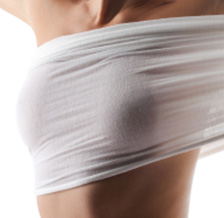

If you have noticed fullness or puffiness in your chest that does not respond to diet or exercise, you are not alone. Many men struggle with changes in chest appearance at some point, and one of the most common questions is whether the issue is gynecomastia or simply excess fat.
While the two can look similar, they have different causes—and more importantly, different solutions.
What Is Gynecomastia?
Gynecomastia is a medical condition caused by the development of glandular breast tissue in men. This tissue is different from fat and forms as a result of hormonal imbalances, genetics, certain medications, or other underlying factors.
Gynecomastia may present as:
- Firm or rubbery tissue beneath the nipple
- A rounded or puffy appearance of the chest
- Tenderness or sensitivity in the area
- Enlargement that does not change with weight loss
Because glandular tissue cannot be reduced through exercise, gynecomastia often persists despite consistent efforts in the gym.
What Is Chest Fat (Pseudogynecomastia)?
Chest fat, sometimes called pseudogynecomastia, is caused by an accumulation of adipose (fat) tissue in the chest area. This is typically related to overall body composition and may improve with weight loss, strength training, and changes in diet.
Chest fat tends to:
- Feel softer than glandular tissue
- Be more evenly distributed across the chest
- Fluctuate with changes in weight
In some cases, men may have a combination of both fat and glandular tissue, which can make the distinction less obvious.
Key Differences Between Gynecomastia and Chest Fat
Although they can appear similar, a few key characteristics can help differentiate the two:
- Texture: Gynecomastia often feels firm, while fat is softer
- Location: Glandular tissue is usually concentrated beneath the nipple
- Response to exercise: Fat may decrease with weight loss; glandular tissue will not
- Consistency: Gynecomastia tends to remain stable over time, even with lifestyle changes
Understanding these differences can help guide the next steps in treatment.
Why Exercise Does not Always Fix the Problem
For men dealing with chest fullness, increasing exercise intensity is often the first approach. While strength training can improve overall muscle definition, it does not remove glandular tissue.
This is why some men find that:
- Their chest appears more defined—but still puffy
- The area beneath the nipple remains unchanged
- Progress plateaus despite consistent effort
When gynecomastia is present, the underlying issue is structural, not simply related to body fat.
When Surgery May Be the Best Option
If chest fullness persists despite a stable weight and regular exercise, male breast reduction surgery may be the most effective solution.
Gynecomastia surgery is designed to:
- Remove glandular tissue
- Reduce excess fat through liposuction when needed
- Create a flatter, more masculine chest contour
For many men, the results are long-lasting and provide a level of improvement that cannot be achieved through lifestyle changes alone.
How a Specialist Can Help You Get a Clear Answer
The most reliable way to determine whether you have gynecomastia, chest fat, or a combination of both is through a professional evaluation.
A board-certified plastic surgeon can assess:
- Tissue composition
- Skin quality
- Chest structure and symmetry
At that point, you will have a clear understanding of what is causing the concern—and what options will actually work.
To learn more about treatment options, including male breast reduction surgery, visit our gynecomastia page or schedule a private consultation.
Schedule a Gynecomastia Consultation in Monterey, CA
Dr. David Morwood provides discreet, personalized consultations to help you understand your options and determine the most effective path forward. Patients from Monterey, Salinas, and Carmel trust his experience to deliver natural, confidence-restoring results. Contact our office today to schedule your consultation and take the first step toward a flatter, more masculine chest.